Saints and Scholars
21st February 2013
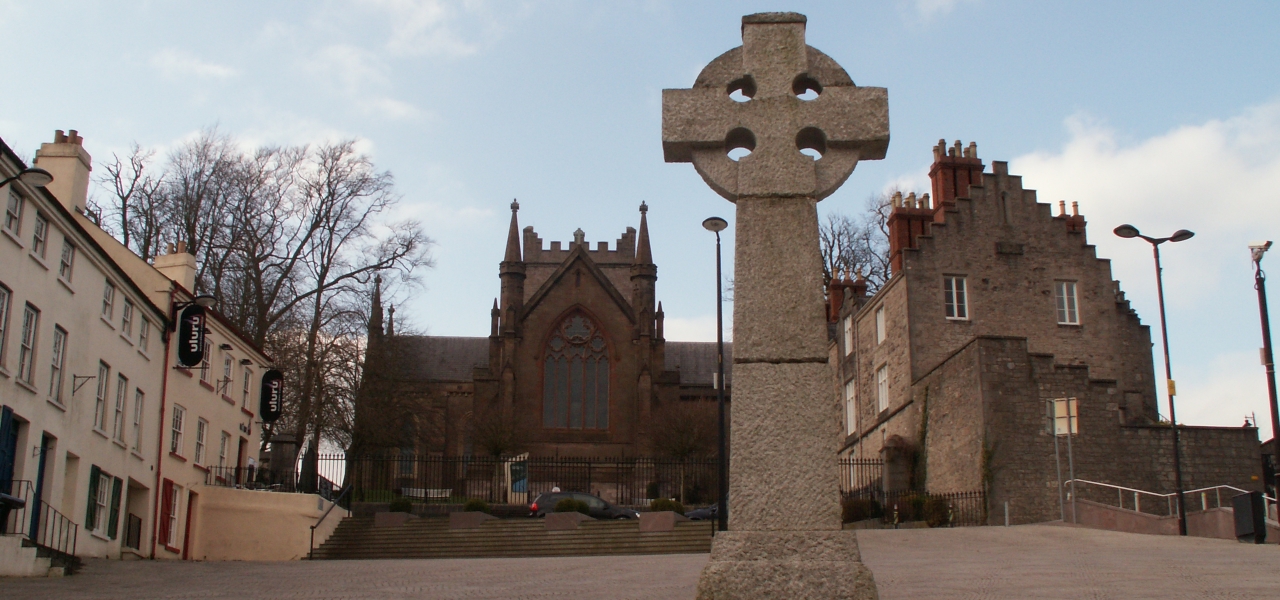
For pretty much my entire working life Armagh was my county town. With a population of less than 16,000 it is the United Kingdom’s fourth smallest city, but it is the only town in the world that has two cathedrals named the same: St Patrick’s and St Patrick’s. This comes as no surprise to folks who realise that this is the country that put a roundabout on a motorway.
Although I had to drop into town whilst selling the house ten years ago I have not really been back again as a proper tourist, like. Finding myself back again with a day to spare I took the Ulsterbus down to have a look. The good news about Ulsterbus is that they are still blue (Citybus went—pink) they now have wi-fi on the expresses and they are somewhat more comfortable than they used to be.
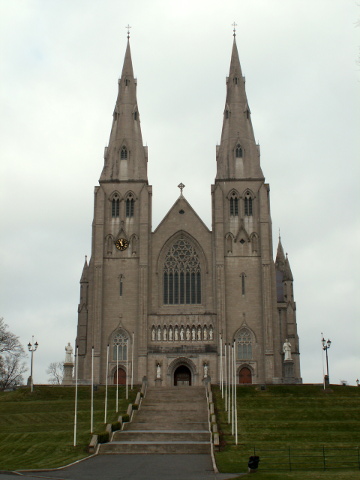
First stop — because it was closest to the bus station was the Roman Catholic St Patrick’s cathedral.
Armagh may be wee but the town has more than its fair share of history. Long before St Patrick set up shop in the 400’s it was the Irish queen, Macha, who founded the site of Emain Macha (Navan Fort). Like all historical/mythological characters there are numerous legends told of the three women who bore this name (all supposedly the same goddess). The town that would eventually grow on the hills would become Ard Macha: the Hills of Macha—Armagh.
As the capital of Ulster it became an important centre and home of one of Ireland’s legendary warriors (No not Merlin, even if Colin Morgan is an Ardmachian) Cúchulainn, the man who so terrified his opponents that even when mortally wounded none of them would approach until a raven settled on his shoulder.
It is said that when St Patrick was trying to convert King Lóegaire mac Néill to Christianity that the ghost of Cúchulainn appeared (why something as pagan as a ghost would appear I am not certain). Either way the king granted Patrick an area on which to build his church (Bottom of Scotch Street). Patrick later harangued the king to give him a more worthy site on top of the hill and this became the site of the first cathedral—Patrick becoming first bishop. He would also declare that only those who had studied in Armagh would be allowed to spread the gospel.
The Book of Armagh now in Trinity College Dublin, is one of the oldest books in Ireland (about 800AD) and contains the only prose in Old Irish in existence. When the Ard Rí (High King) Brian Boru came to Armagh in 1005 he donated a fortune in gold to the monastery and laid down the law that Armagh would become the religious centre of the nation.
Click on the thumbnail for a larger version
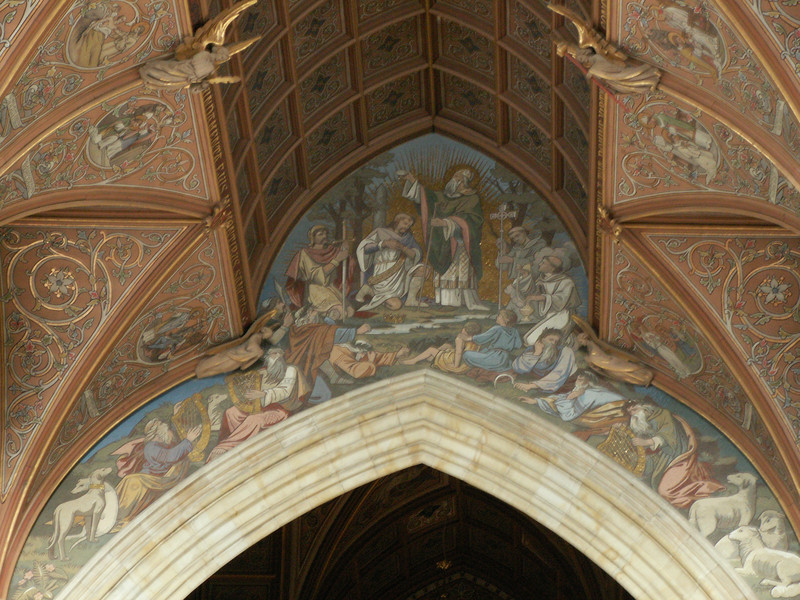
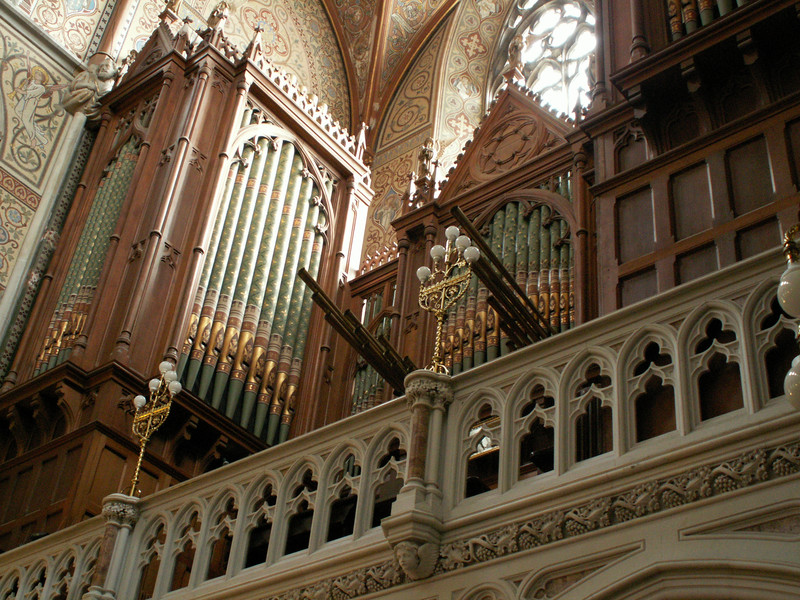
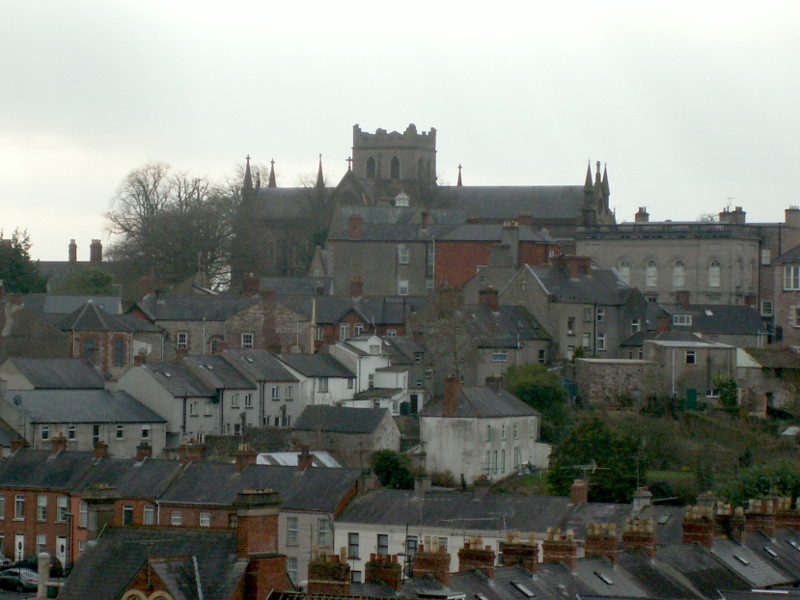
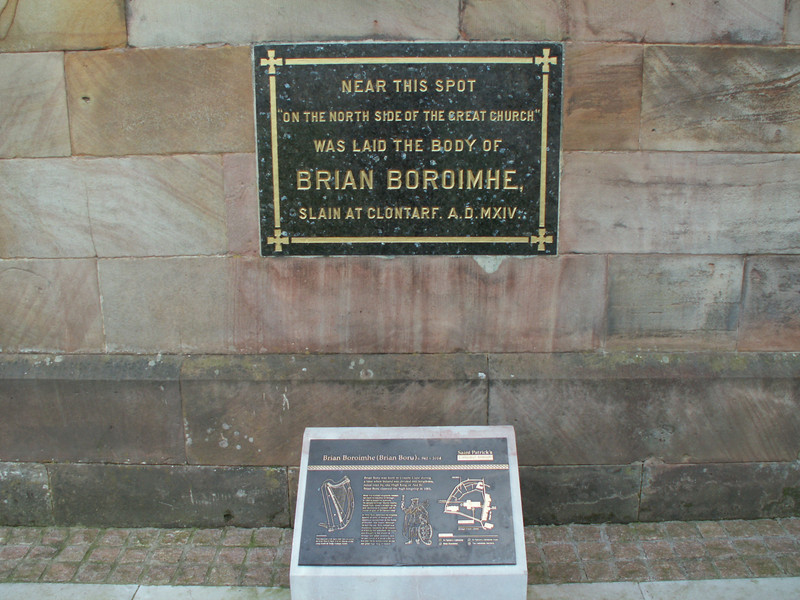
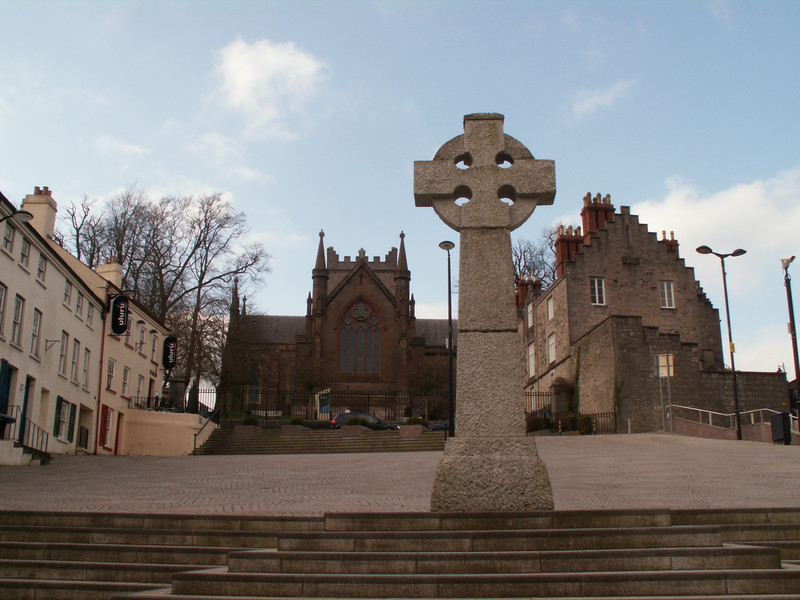
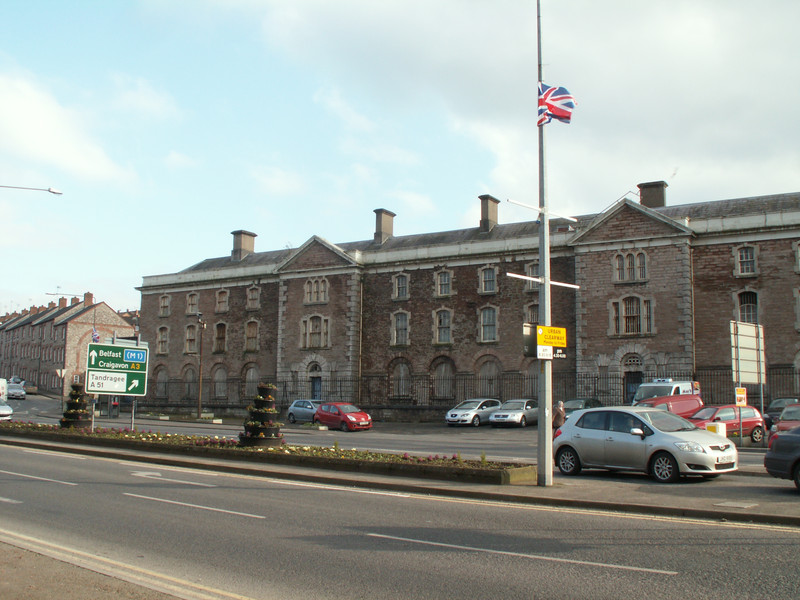
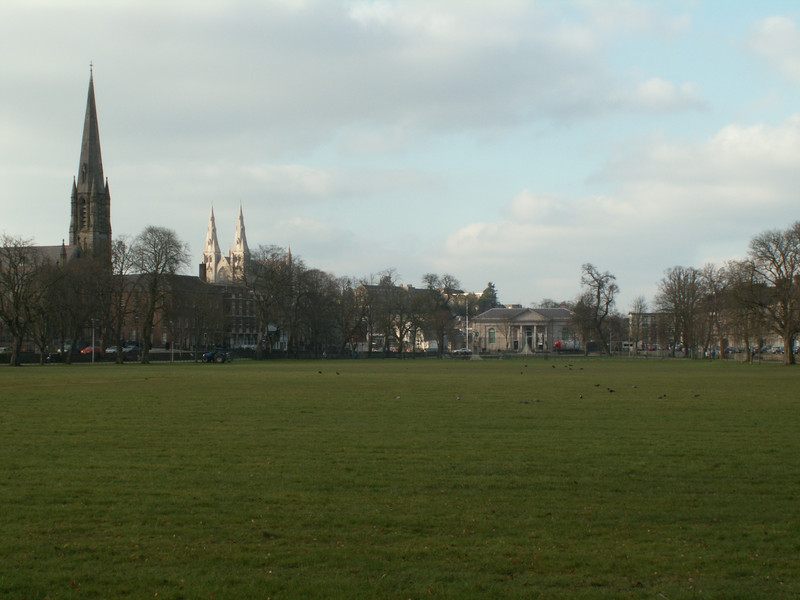
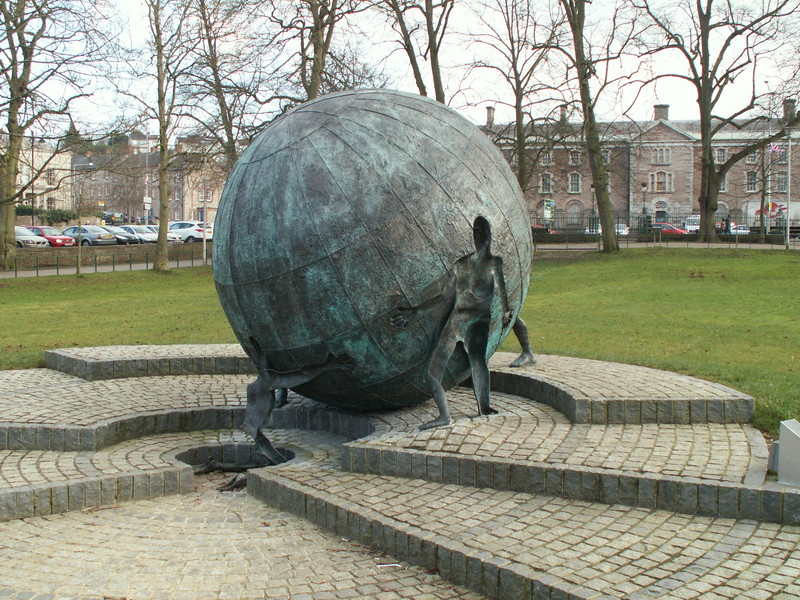
When Brian was killed after the Battle of Clontarf in 1014 (Vikings, they go the house ? That’s not Latin!) his body was brought back to Armagh for burial. Where exactly the seventy-three year old lies is not certain. But we have a nice plaque.
In 1189 John de Courcy (who was Ulster’s Norman conqueror and built Carrickfergus Castle, but more of that another time) plundered Armagh on one of his day’s out into the countryside.
Despite M de Courcy the town continued to prosper and remained a centre for learning. The Royal School was founded by King James I (and IV of Scotland) in 1608. And I remember 1986 when it began accepting female students for the first time.
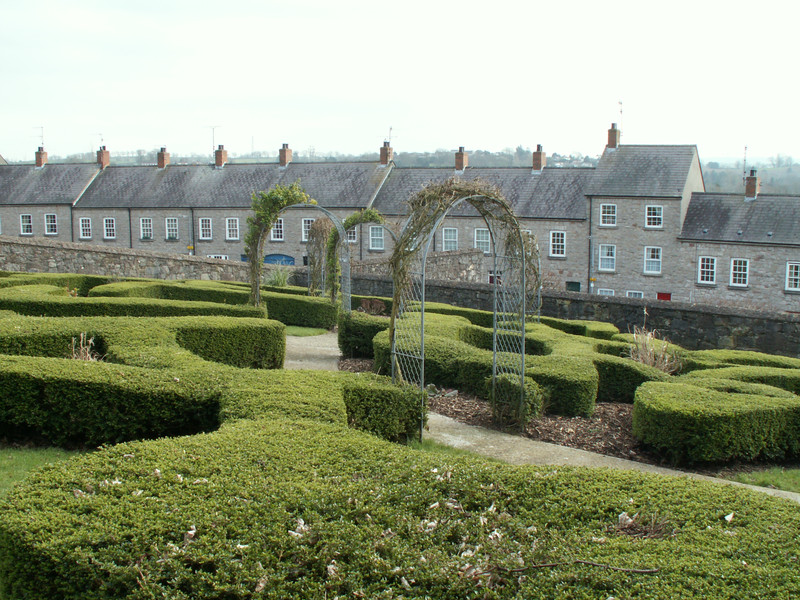
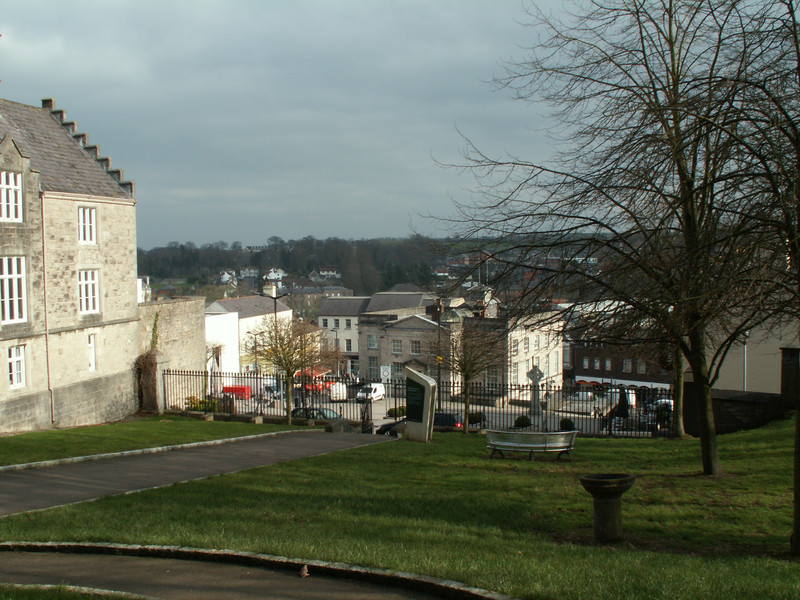
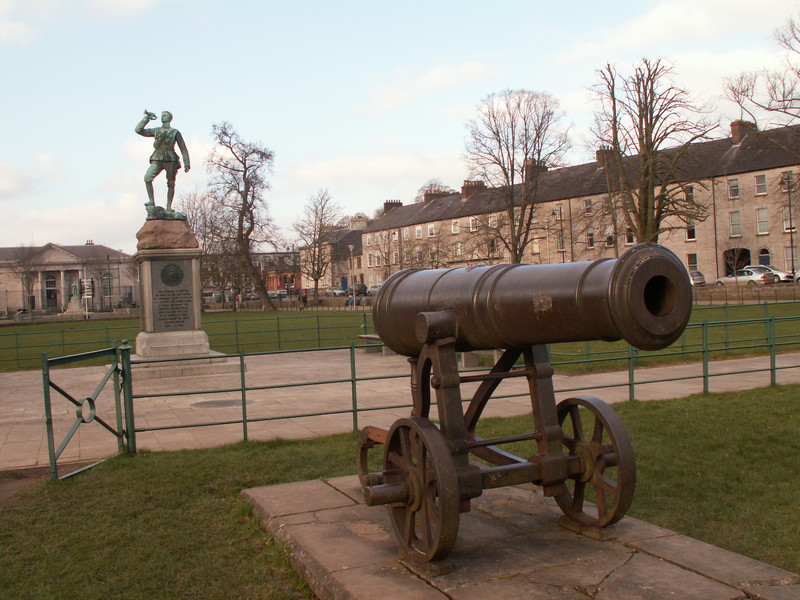
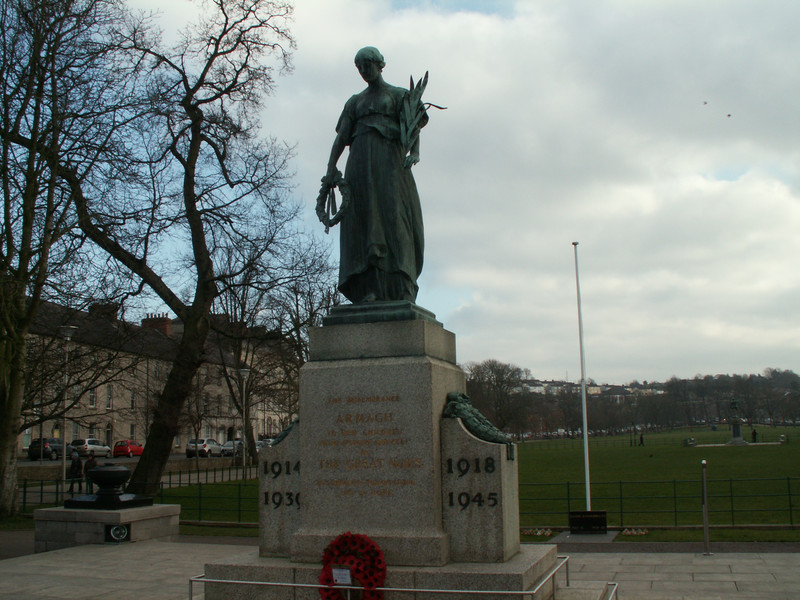
The Mall is still coffin shaped with the former women’s gaol at one end and the County Courthouse at the other. It was always rumoured that there was a tunnel between the two but I never heard of it being used. Surrounding the Mall are numerous fine Georgian buildings and late in the afternoon as I was wandering about the sun came out and it all looked as picturesque as I recalled.
Actually that is not quite true. There has been a lot of money spent on the centre of the town to get it cleaned up and now that the barriers are away it looks really well. The biggest surprise for me was the number of bars that had closed. The Wheel it’s gone ! Wasn’t that place supposed to be an institution regardless of what it was actually called. Many of the shops are still doing business and like Belfast, last time I was over, it was interesting to see what has survived the economic crisis and what has gone under.
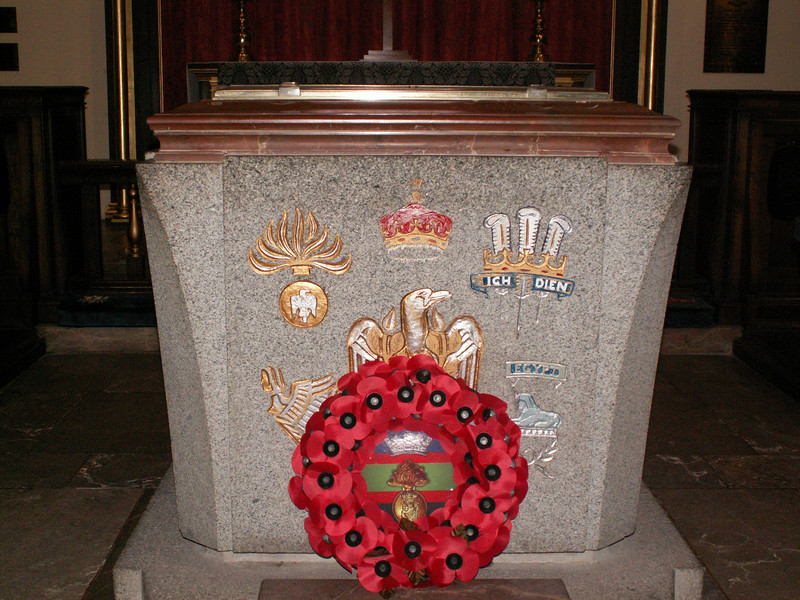
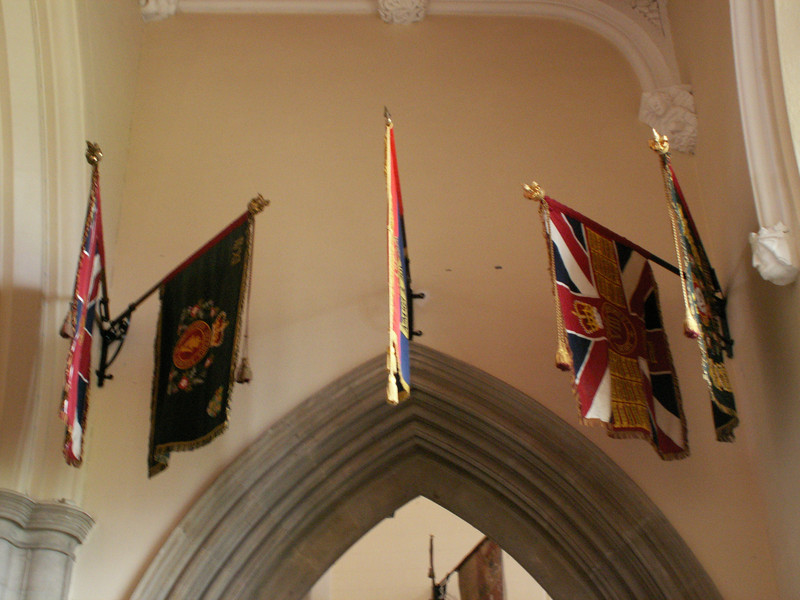
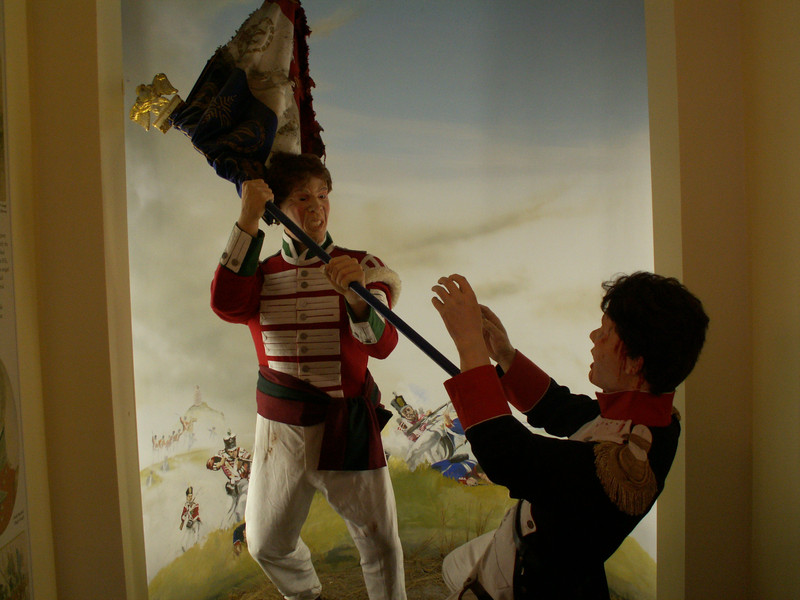
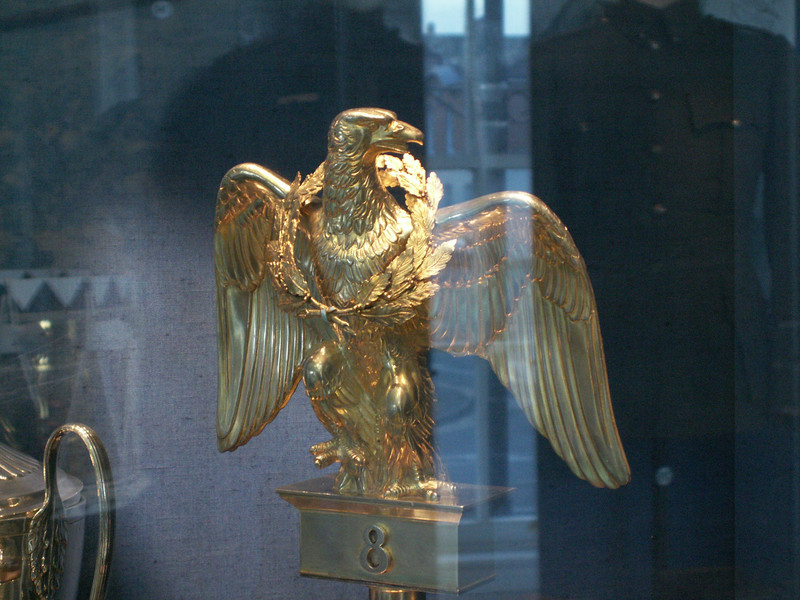
The Royal Irish Fusiliers museum is still there on the corner of the Mall and the regimental flags are hanging in St Patrick’s cathedral. That was a lot of required snapping with the camera to prevent my friends on the staff complaining that I had wasted the trip by looking at all the wrong things.
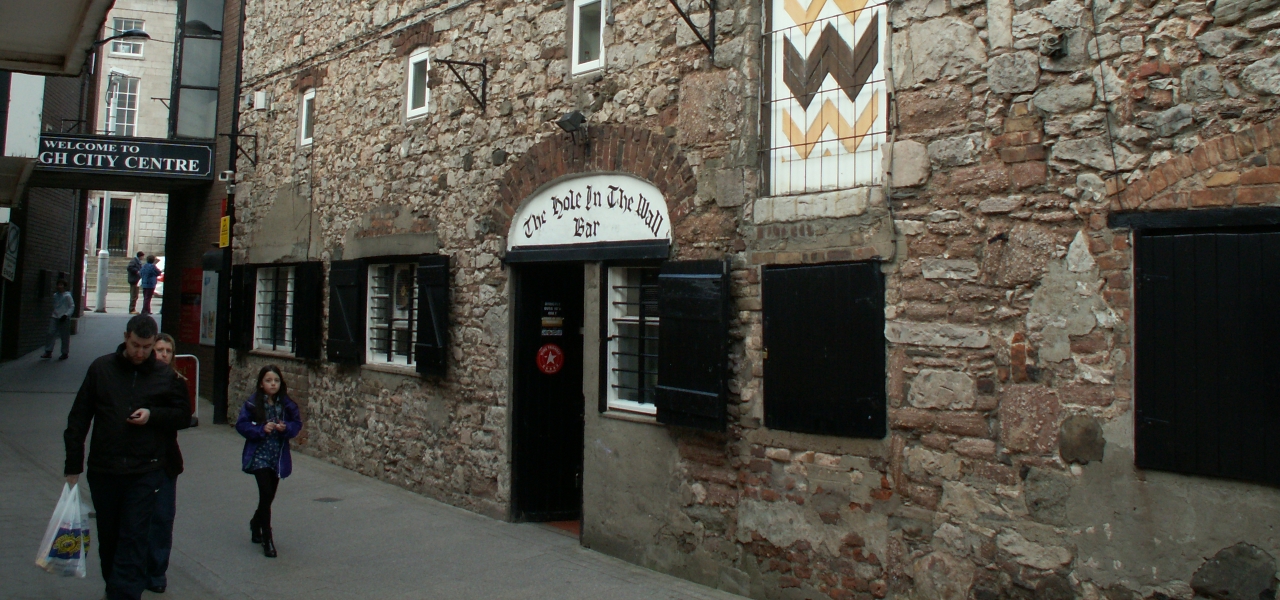
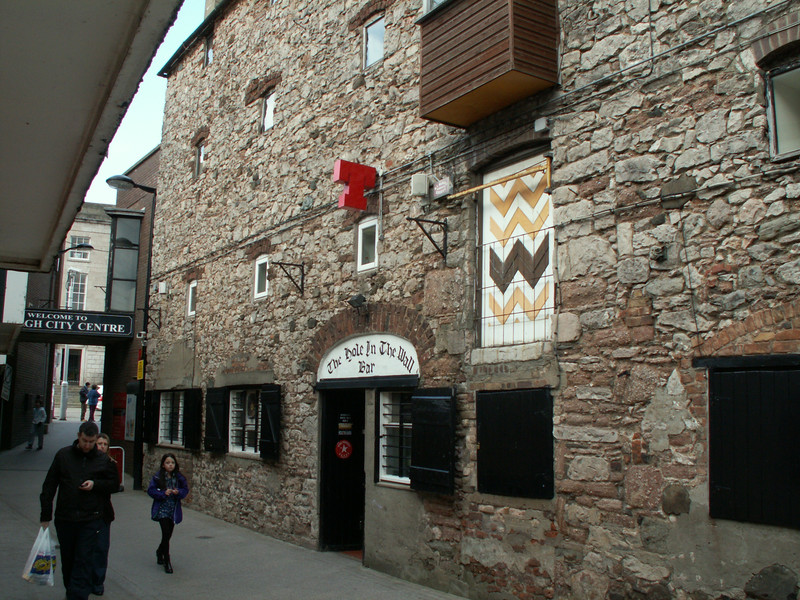
Three pints later in the former gaol; The Hole in the Wall, and it was time to head back to Carrick.
Posted : 28 February 2013


